Blogs
The Missing Piece in Multi-Agent Systems
Nasiko
Building AI agents has gotten easier. Running them reliably in production has not.
A year ago, most AI projects were single prompts feeding a single model. That's changing fast. Teams are now building systems where multiple agents work together; one researches, one writes, one reviews, one routes tasks, another calls external APIs. Frameworks like LangChain , CrewAI , AutogenAI , and the OpenAI Agents SDK have made this relatively straightforward to set up.
The gap nobody talks about
Multi-agent systems behave like distributed software, not like chatbots. Agents pass messages between each other. They share memory. They make decisions. They call tools. They fail in ways that don't show up in your dashboards.
Sometimes a workflow produces the wrong output while all your metrics look fine. Sometimes an agent takes an action nobody expected. Sometimes a process quietly stalls with no error thrown.
This is the part that's genuinely hard, and it's where most teams are getting stuck right now.
What's missing
When your infrastructure is built for deterministic software, AI agents will confuse it. Traditional monitoring captures whether a service is up or down. It doesn't capture why an agent made a decision, what reasoning path it took, which tools it called, or where a multi-step workflow went wrong.
The result: teams are flying blind. They know something failed. They don't know where, why, or how to prevent it next time.
What Nasiko is building
We're not building another agent framework. There are already good ones.
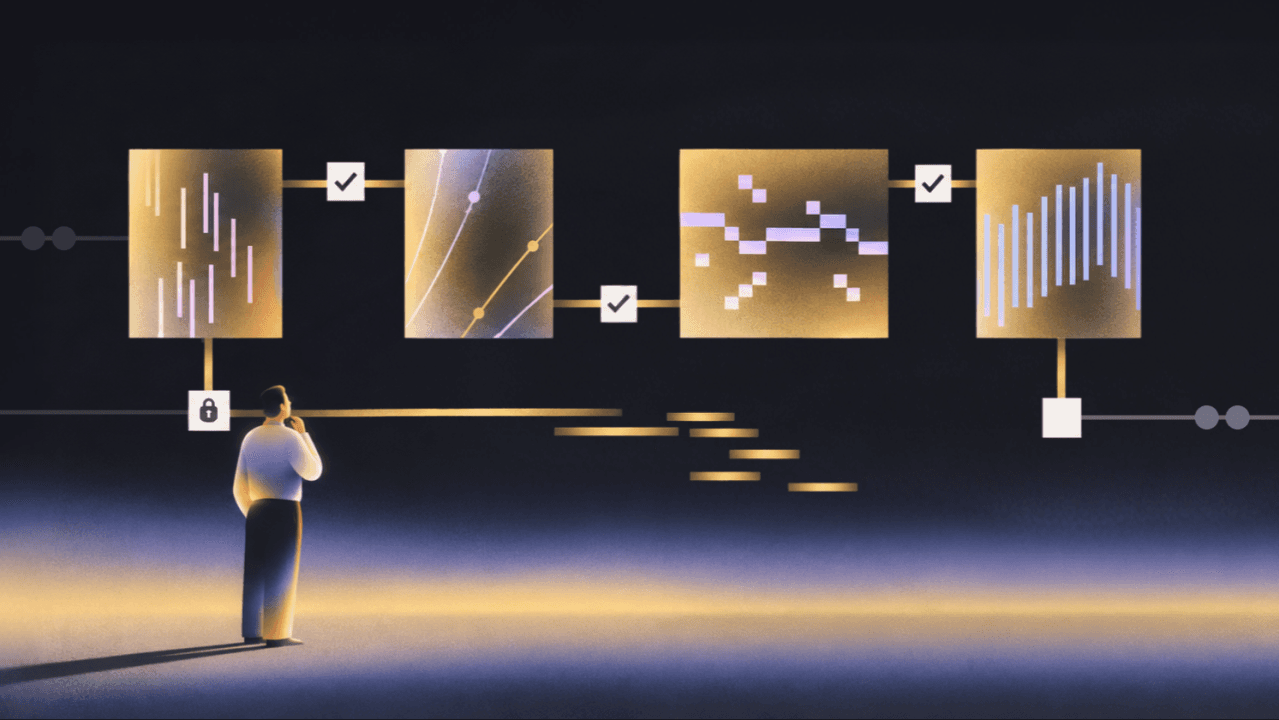
We're building the layer that sits underneath them, the part that handles how agents are registered, how they're routed, how their activity is traced, and how teams can actually see what's happening inside a running system.
Kubernetes (Official) standardized container orchestration. Datadog standardized distributed observability. AI systems now need the same operational control plane for agents.
Why this matters now
Modern AI systems are becoming highly connected and distributed. As more agents interact across workflows, the challenge is no longer just intelligence, but coordination, execution reliability, context sharing, and system stability at scale.
A2A (Agent-to-Agent) infrastructure is one important part of this evolution, and only the beginning of what is coming next at Nasiko . We are focused on creating the infrastructure layer that enables reliable communication, orchestration, execution flow, and visibility across connected agents in real time. Scaling intelligent systems is not only about running more models, but about helping agents operate together efficiently, manage workloads dynamically, and maintain stability as system complexity continues to grow.
If you're building or operating agentic systems and running into these problems, I'd genuinely like to hear what you're seeing. Reply or drop a comment.