Events
Building the internet of agents
Ans James
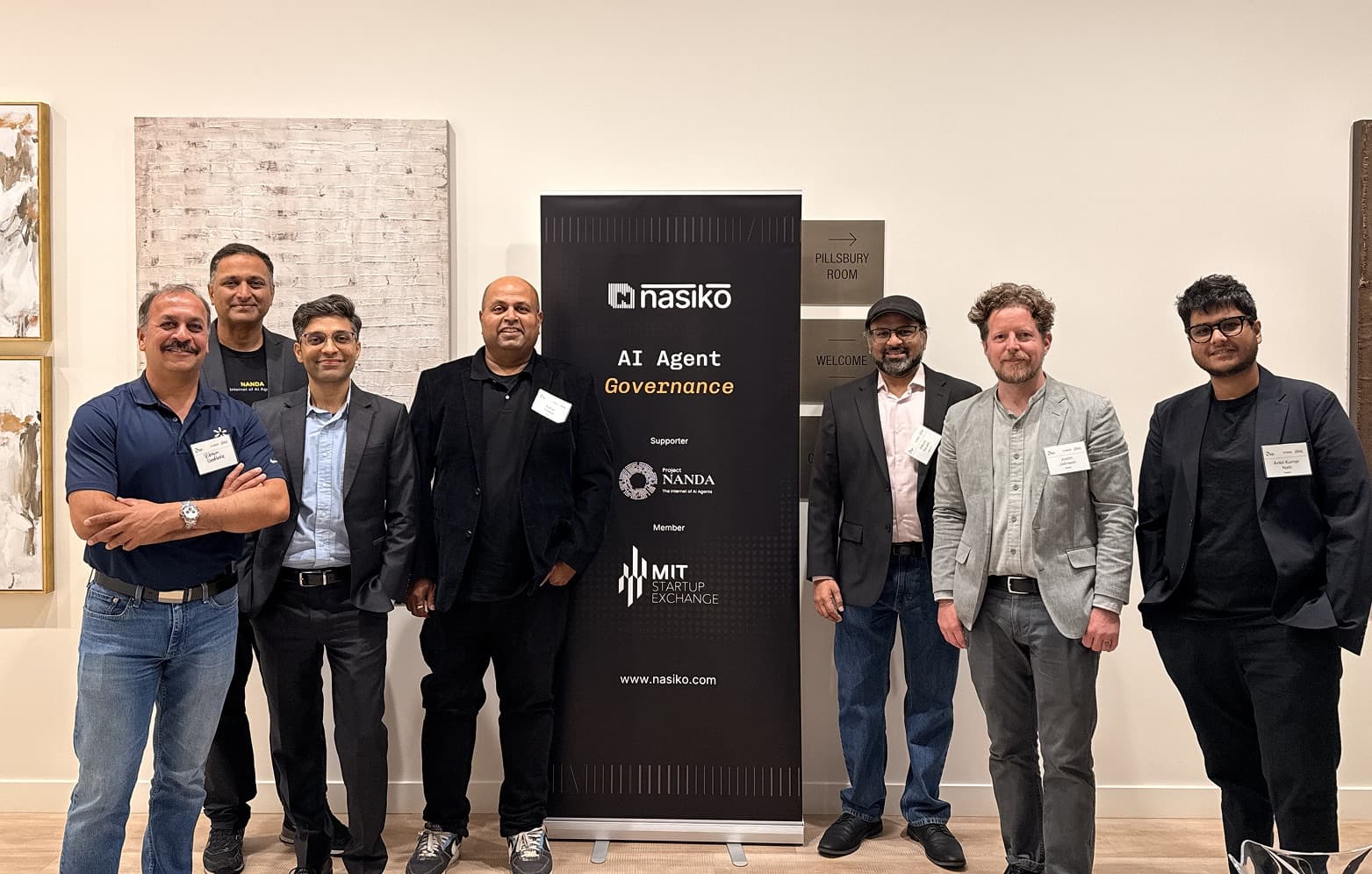
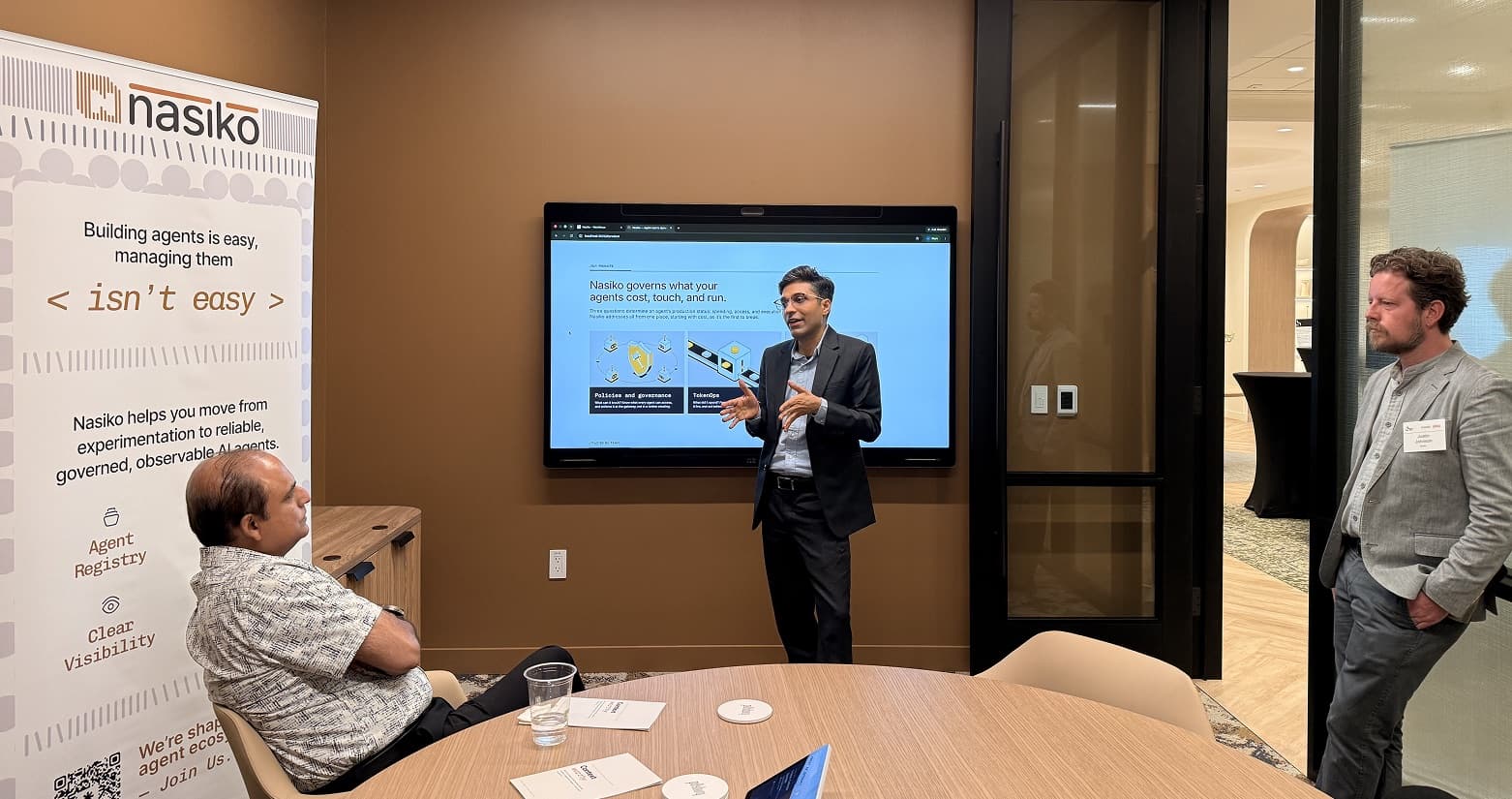
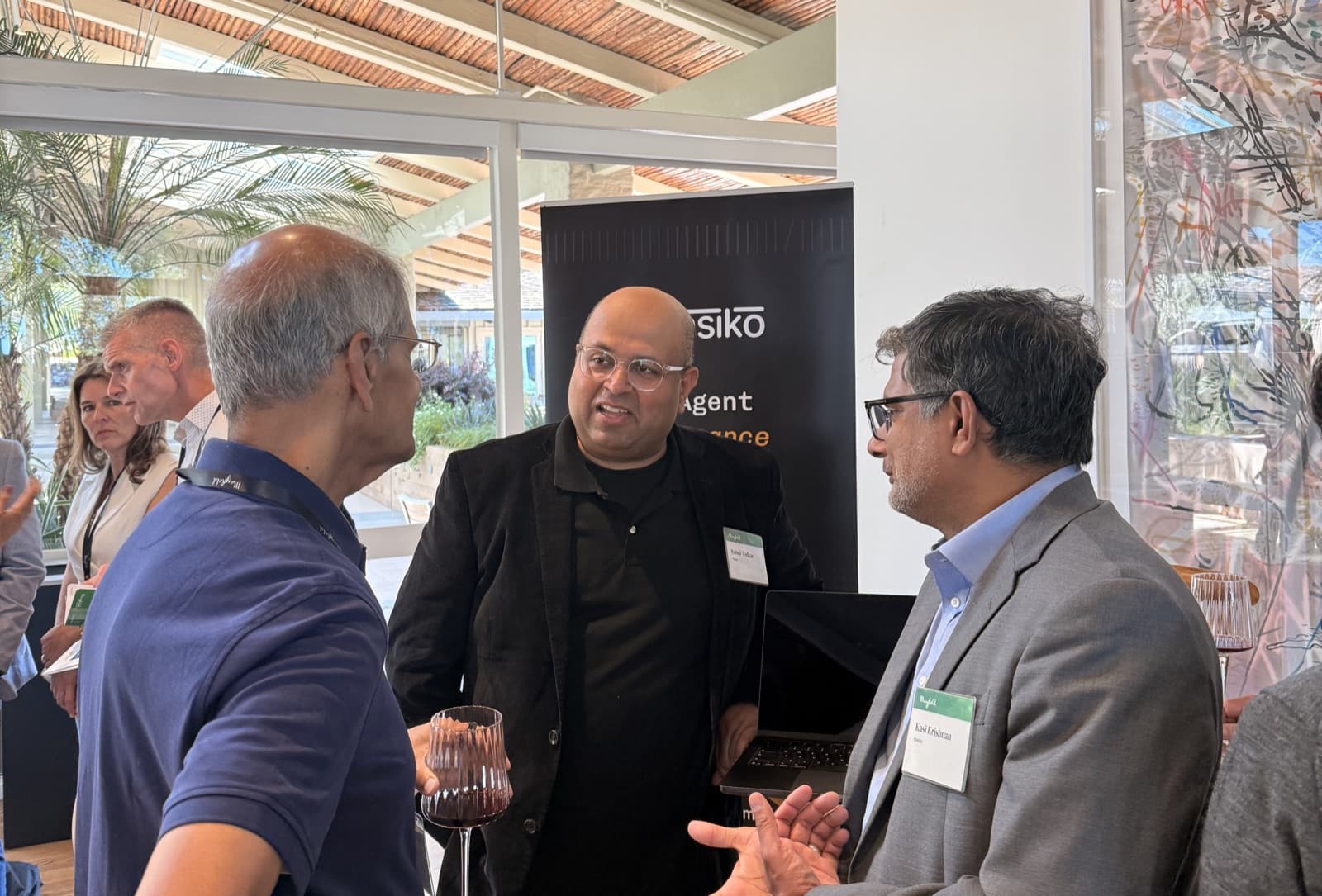
Nasiko organized a community workshop under Project NANDA (The Internet of AI Agents), bringing together developers, researchers, and builders to explore the infrastructure emerging underneath next-generation AI systems.
The workshop addressed a real shift in the field. AI applications used to be self-contained: agents interacted within a single environment, owned end to end by one team. Increasingly, agents must communicate, cooperate, synchronize, and transact across different platforms, organizations, and execution contexts. That evolution demands foundational infrastructure that better models alone cannot provide.
From experiments to production networks
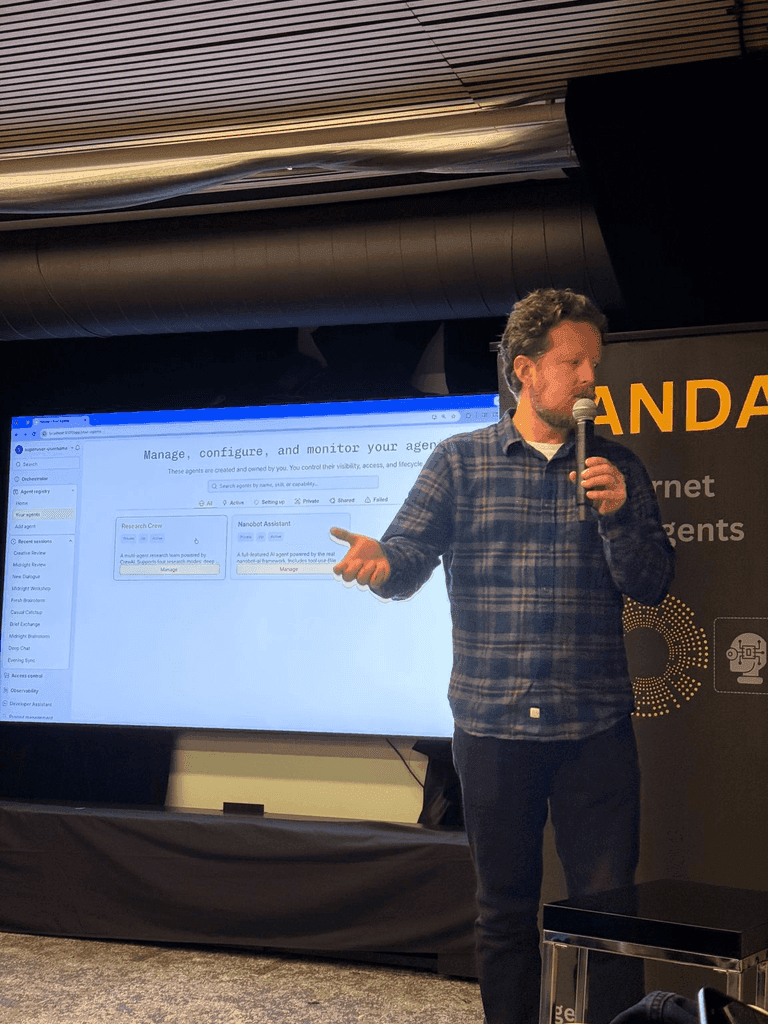
Justin Elof Johnson, Developer Experience Engineer at Nasiko, walked through how the ecosystem is evolving and demonstrated how agent networks advance from experimental phases to production-ready implementations. Key concepts explored included:
- Agent control planes for coordinating and controlling large agent populations
- Interoperability frameworks that let agents communicate across systems
- Production infrastructure for reliability, discovery, observability, and lifecycle management at scale
- Open ecosystems that support agent-native application development and deployment
NEST, hands on
The session included an interactive demonstration of NEST, an open sandbox where agents discover services and participate in shared ecosystems: the agentic web in miniature, running live in the room.
What the community asked
The engagement was striking. Discussions moved well past model performance into deeper questions around agent identity, trust, control, discovery, coordination, and network design. That is exactly the layer Nasiko is building for.
Networked AI is where the industry is heading. Enterprises and developers will need the infrastructure that enables those agents to operate reliably, securely, and at scale.